Didecyl dimethyl ammonium chloride (DDAC, CAS 7173-51-5) is a cationic quaternary ammonium compound (QAC) supplied as an 80% aqueous solution. It is a broad-spectrum biocide and cationic surfactant used in disinfectants and sanitisers, water treatment, wood preservation, oilfield fluids and cleaning products. PolyBlueChem supplies DDAC as the standard 80% active solution.
Specifications
| Parameter | Specification |
|---|---|
| Product | Didecyl dimethyl ammonium chloride 80% |
| Active matter | ≥ 80% |
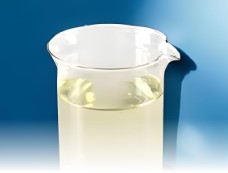
| Appearance | Light yellow to white transparent liquid |
| Free amine and amine salt | ≤ 2% |
| pH (1% aqueous solution) | 4 – 8 |
Chemical Structure
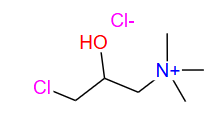
DDAC is a quaternary ammonium salt: a central nitrogen atom bonded to two methyl groups and two n-decyl (C10) chains, as the chloride salt. Molecular formula C22H48ClN; molecular weight approx. 362.1. SMILES: CCCCCCCCCC[N+](C)(C)CCCCCCCCCC.[Cl-]
Applications
- Disinfectants, sanitisers and antimicrobial cleaning products.
- Water treatment: algaecide, biocide and microbial control.
- Wood preservation and industrial preservative formulations.
- Oilfield and industrial water systems: biocide and corrosion control aids.
- Cationic surfactant and antistatic/softening agent.
Packaging and Storage
Supplied in 200 kg drums or 1000 kg IBCs, or as agreed. Store in sealed, corrosion-resistant containers in a cool, dry, well-ventilated place out of direct sunlight. Keep away from anionic surfactants and strong oxidisers, which are incompatible with cationic quaternary ammonium products.
FAQ
What is the CAS number of DDAC? Didecyl dimethyl ammonium chloride is CAS 7173-51-5.
What is the active content? The standard grade is an 80% active aqueous solution.
Is DDAC cationic? Yes, it is a cationic quaternary ammonium compound and is incompatible with anionic surfactants.
Further Information
For the full technical background, see Didecyl Dimethyl Ammonium Chloride (DDAC): Properties, Production and Applications. To request current specifications, a COA or a quotation, contact the PolyBlueChem team.