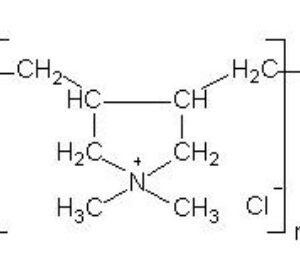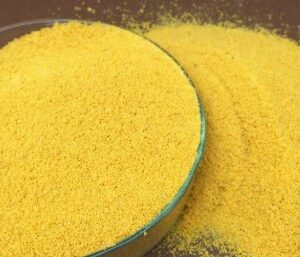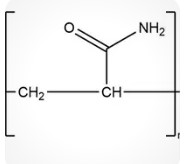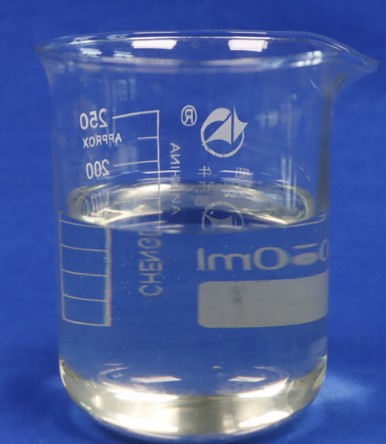
Polyamine, CAS 42751-79-1, is a cationic polyelectrolyte supplied as a light yellow viscous aqueous solution. It works as a charge-neutralising coagulant in water treatment, as an anionic trash catcher and retention aid in papermaking, and as a demulsifier in oil-water separation. PolyBlueChem supplies seven grades (A to G) covering 50 +/- 1% and 40 +/- 1% solid content, pH 4-8 in 1% solution and a viscosity ladder from 50 to 6000 mPa.s – so the charge density and bridging behaviour can be matched to the application instead of compromised.
Specifications – Grades A to G
| Property | A | B | C | D | E | F | G |
|---|---|---|---|---|---|---|---|
| Appearance | Light yellow viscous liquid | ||||||
| Solid content (%) | 50 +/- 1 | 50 +/- 1 | 50 +/- 1 | 50 +/- 1 | 50 +/- 1 | 40 +/- 1 | 40 +/- 1 |
| pH (1% solution) | 4 – 8 | 4 – 8 | 4 – 8 | 4 – 8 | 4 – 8 | 4 – 8 | 4 – 8 |
| Viscosity at 25 deg C (mPa.s, 3# spindle, 60 rpm) | 50 – 200 | 200 – 500 | 600 – 1000 | 1000 – 3000 | 3000 – 6000 | 600 – 1000 | 1000 – 3000 |
| Packaging | 200 kg drum; 1000 kg IBC on request | ||||||
Basic Information
| Chemical name | Cationic polyamine (polyelectrolyte), aqueous solution |
| Common names | Polyamine, cationic polyamine coagulant, polyamine water treatment chemical |
| CAS number | 42751-79-1 |
| Chemical class | Cationic polymer (polyelectrolyte); supplied as an aqueous solution |
| Appearance | Light yellow viscous liquid |
| Solid content | 50 +/- 1% (grades A-E); 40 +/- 1% (grades F-G) |
| pH (1% solution) | 4 – 8 |
| Viscosity (25 deg C) | 50 – 6000 mPa.s depending on grade |
| Ionic character | Cationic – high charge density |
| Function | Charge neutralisation, coagulation, anionic trash capture, demulsification |
Why Seven Grades
The seven grades are not a marketing ladder – they are a molecular weight (and therefore charge density) ladder. In a cationic polyamine, viscosity at fixed solids tracks the degree of polymerisation, and that single variable moves the product between two working mechanisms:
- Low viscosity (grades A-B, 50-500 mPa.s) – lower molecular weight, higher charge density per unit mass. Best at charge neutralisation: destabilising colloidal colour, turbidity and anionic trash. Fast-acting, low overdosing risk of viscosity build.
- Medium viscosity (grades C-D, 600-3000 mPa.s) – balanced charge and bridging; the general-purpose range for potable and industrial water clarification.
- High viscosity (grade E, 3000-6000 mPa.s) – higher molecular weight, stronger bridging flocculation, bigger flocs, better settling – at the cost of handling viscosity and narrower dosing window.
- Grades F-G (40% solids) – lower solids at the same viscosity band, for customers who dose neat and want a lower active content per litre, or who need easier dilution and pumping.
Typical Applications
- Water treatment – primary coagulant or coagulant aid in potable water, municipal wastewater and industrial effluent; works with polyaluminium chloride or alum to reduce total coagulant demand.
- Papermaking – anionic trash catcher (ATC) ahead of the wet end, plus retention and drainage improvement; also a promoter for alkaline sizing.
- Oil-water separation – demulsifier for produced water, refinery desalting and oily wastewater.
- Mining and mineral processing – settling and thickening aid for tailings and process water.
- Sugar, fermentation and food processing – clarification of process liquors.
Dosing and Handling
| Point | Guidance |
|---|---|
| Dilution | Dilute to 0.1-1% working strength before dosing; dosing neat into a turbulent stream causes local overdosing and poor floc |
| Dosing point | Add where mixing is intense but before flocculation; a static mixer or rapid-mix chamber works well |
| Typical dose | 1-50 mg/L as product depending on turbidity and charge demand – set by jar test, not by rule of thumb |
| Order of addition | Polyamine first (charge neutralisation), then a high-molecular-weight flocculant (PAM) if needed – the reverse order wastes both |
| Storage | 5-35 deg C, sealed; do not freeze. Viscosity drifts if the drum is stored hot for long periods |
| Personal protection | Gloves and eye protection; the solution is slippery when spilled and mildly irritating |
Packaging and Documentation
Supplied in 200 kg polyethylene drums, with 1000 kg IBC available on request. Each batch ships with a COA covering appearance, solid content, pH and viscosity; SDS is available in English. For potable-water use, confirm the applicable national approval for the specific grade and dose before commissioning.
Related reading
- Polyamine: properties, grades A to G and application guide
- Choosing a polyamine grade: solid content and viscosity
- Polyamine in papermaking: anionic trash capture and retention
- Polyamine in oil-water separation and refinery desalting
- Polyamine vs PAM vs PolyDADMAC
FAQ
What is the CAS number of this polyamine? CAS 42751-79-1. The commercial product is an aqueous polymer solution, so it is specified by solids, pH and viscosity rather than by molecular formula.
How do I choose between grades A and E? Start from the mechanism you need: charge neutralisation favours the low-viscosity grades, bridging flocculation favours the high-viscosity grades. Confirm with a jar test at your water’s actual turbidity and charge demand.
Can it replace polyaluminium chloride? Often partly. Polyamine is organic and does not add aluminium or change pH, so it is used to reduce PAC/alum demand and sludge volume – but inorganic coagulants remain cheaper per unit of turbidity removed in many plants.
Is it suitable for potable water? Approval depends on the country and the specific grade; confirm the applicable regulation for your market before use.
Contact PolyBlueChem for grade selection, samples and quotations.